The Indian Spice Trade: A History and Why Origin Still Matters Today
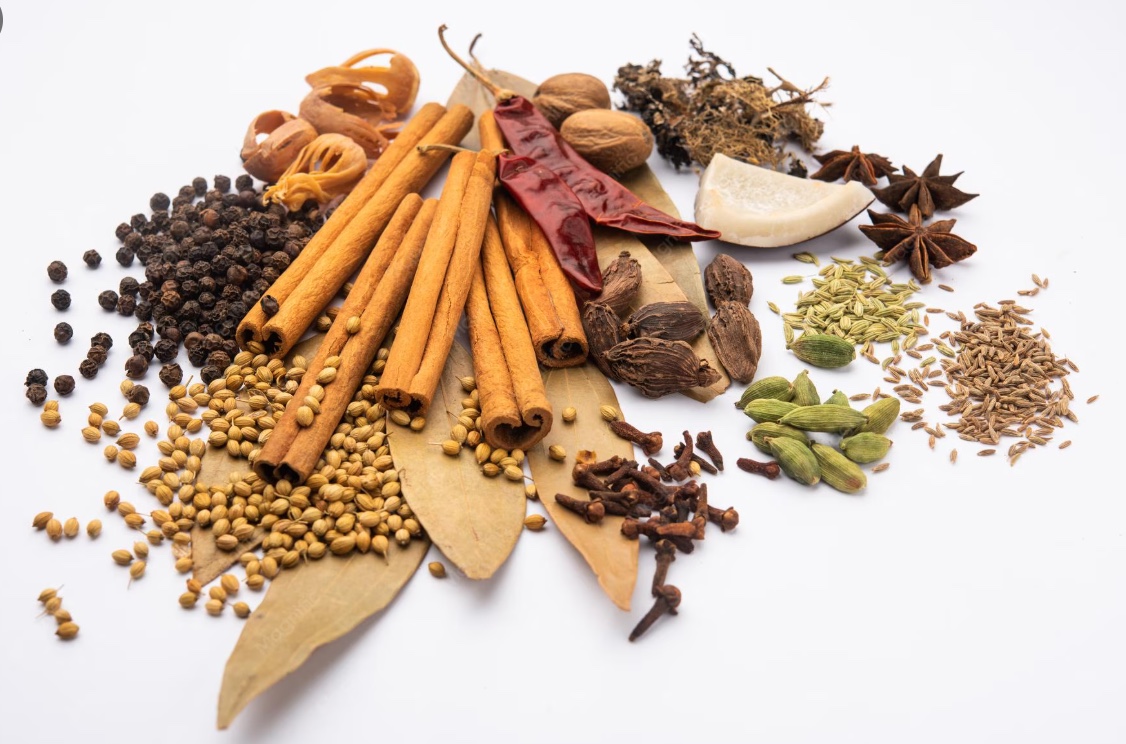
Vasco da Gama sailed around Africa looking for it. Columbus accidentally discovered America looking for a shortcut to it. Wars were fought for control of it. The spice trade reshaped the world’s map, drove colonial expansion, and built the trading empires of Portugal, the Netherlands, and England. The spices at the centre of this history were black pepper, cardamom, cinnamon, cloves, and turmeric — most of them grown in South India and Southeast Asia. Today, these same spices sit in kitchen shelves around the world. At Village Masala, we want to reconnect those spices to their origins.
Where India’s Key Spices Actually Come From
India is not a monolithic spice producer — specific spices grow in specific regions, and those regions produce the best quality of that spice in the world. Black pepper is the “king of spices” and the Malabar coast of Kerala remains the world’s most famous pepper-growing region — the same coast that attracted Portuguese traders in the 15th century. Kerala’s climate, soil, and altitude produce pepper with a distinctive sharp bite and complex floral undertone that cannot be replicated elsewhere.
Cardamom grows in the Cardamom Hills of Kerala and the Nilgiris of Tamil Nadu — cooler, misty highlands at elevations above 1,000 metres. The combination of tropical humidity and cool nights produces cardamom pods with intensely aromatic seeds. Turmeric from Erode in Tamil Nadu (nicknamed “Yellow City” or “Turmeric City of the World”) consistently produces the world’s highest curcumin content. Coriander from Rajasthan; cumin from Gujarat and Rajasthan; saffron from Kashmir — each spice has a homeland that defines its quality.
“The Malabar coast of Kerala was so famous for black pepper that it was called the ‘Pepper Coast’ by Portuguese explorers — and it was the specific search for direct access to Malabar pepper, without Arab or Venetian middlemen, that drove Vasco da Gama’s voyages and changed global history.”
Why Origin Matters for Quality
The terroir concept — the idea that the soil, climate, and geography of a growing region shape the character of what grows there — applies as powerfully to spices as it does to wine or coffee. The same spice variety grown in different conditions produces meaningfully different quality. Kerala pepper has a different chemical profile from Vietnam pepper. Erode turmeric has higher curcumin than most other Indian turmeric regions. Coorg cardamom is considered superior to Guatemalan cardamom for most culinary applications.
This matters practically because most spices sold in Western supermarkets are blended from multiple source origins to achieve a consistent, average flavour at the lowest possible price. The distinctive qualities of any single origin are diluted or absent. When you buy from Village Masala, you are buying single-origin spices sourced from the regions that have been producing them for centuries — which means you are getting the specific flavour and nutritional character that made those spices famous in the first place.
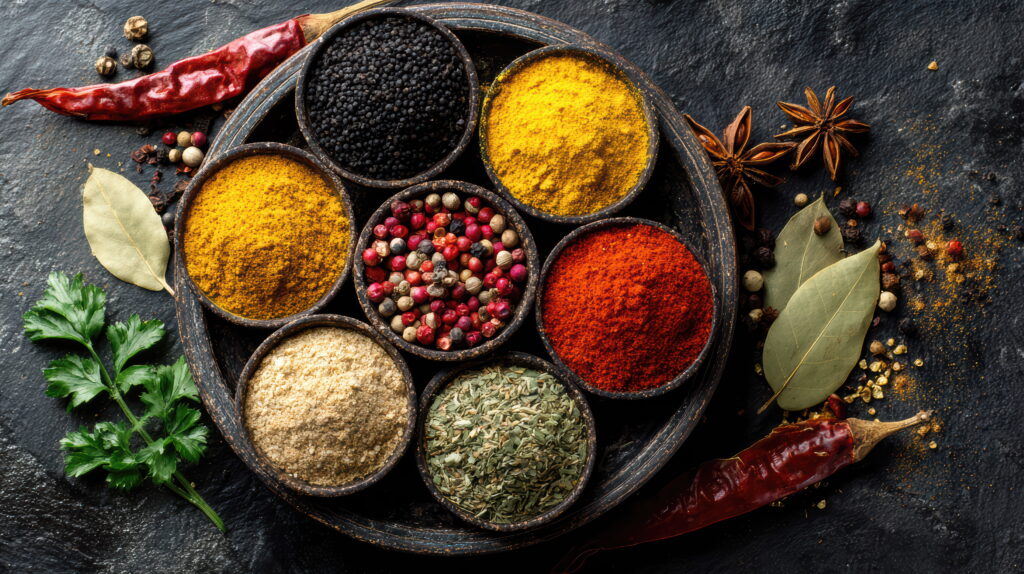
Village Masala sources spices directly from their regions of origin — Kerala pepper, Erode turmeric, Nilgiri cardamom, Rajasthan coriander — and ships them globally without blending or dilution. This is the closest to farm-fresh that international shipping allows.
The Living Heritage of Indian Spice Farming
The spice farms of Kerala, Tamil Nadu, and Karnataka are not industrial operations. They are often family-run smallholdings where the same families have been growing the same spices for generations. The knowledge of when to harvest, how to dry, and how to handle each crop is passed down as practical wisdom, not written in textbooks.
When you buy from Village Masala, you are part of a supply chain that values these producers. We work with trusted buyers who source directly from growing communities rather than through multiple layers of intermediaries that squeeze farmer margins. Every purchase of Village Masala spices is a direct connection to this living heritage — the same heritage that drew the ancient world’s traders across oceans to reach the Indian coast. That connection, across millennia and across continents, is what makes authentic Indian spices so much more than just an ingredient.