The Complete Guide to Indian Rice Varieties: Basmati, Seeraga Samba, Ponni and More
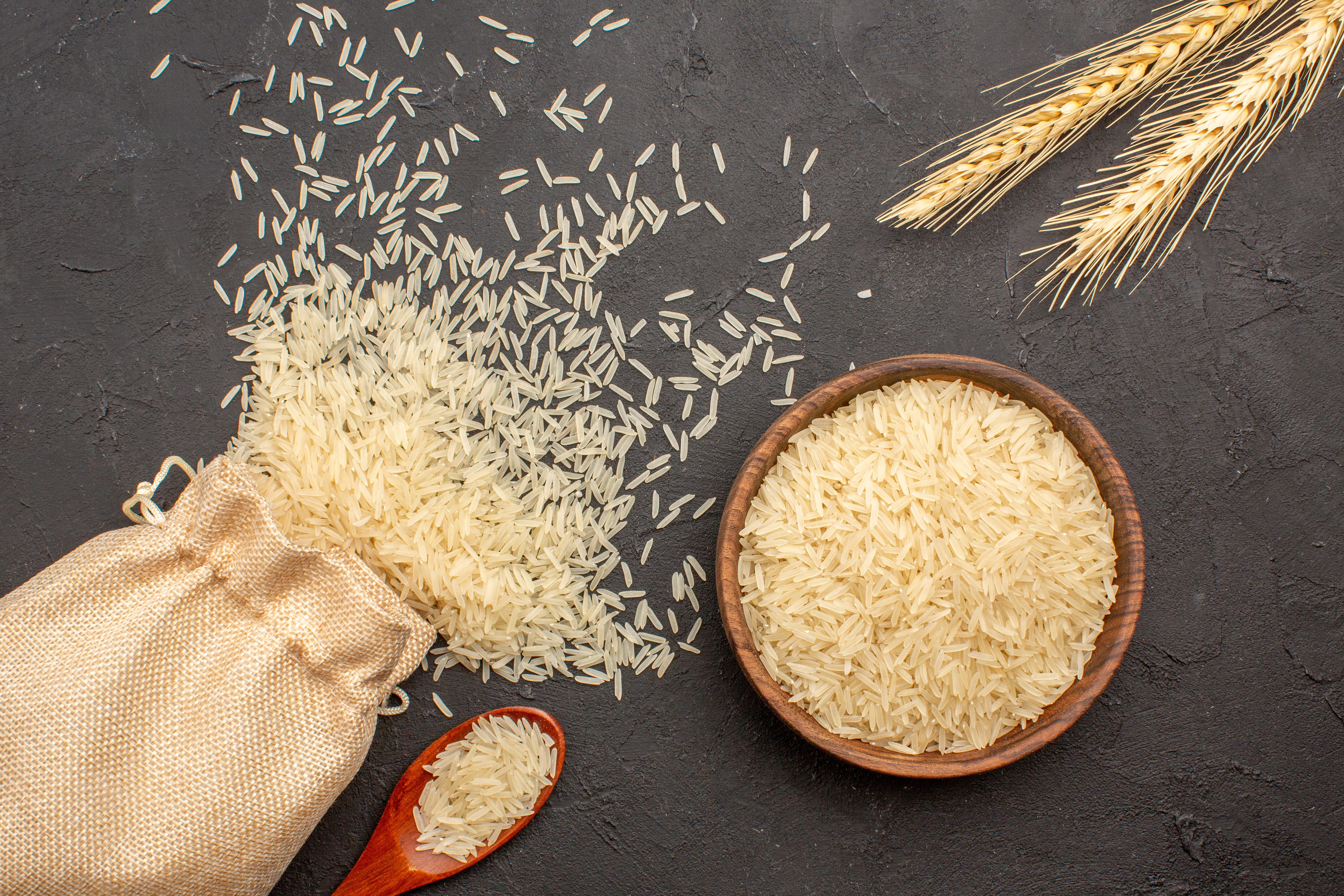
India grows more than 6,000 varieties of rice. Behind every variety is a story of soil, climate, tradition, and a community of farmers who have cultivated that grain for generations. For the Indian cook, the right variety of rice is not optional — it is foundational. Basmati for biryani, seeraga samba for Chettinad dishes, idly rice for South Indian breakfasts, ponni boiled rice for everyday meals. At Village Masala, we stock all the major varieties — sourced from their regions of origin, properly aged and processed.
The Major Rice Varieties and Their Best Uses
Basmati is India’s most famous rice export — long-grained, aromatic, with a distinctive popcorn-like fragrance when cooked. It is the only choice for biryani and pulao; its non-sticky texture and ability to absorb flavour while remaining separate make it irreplaceable in slow-cooked rice dishes. Basmati should be aged for at least one year before use — aged basmati cooks firmer and does not become mushy.
Ponni rice is the everyday rice of Tamil Nadu — medium-grained, soft, and slightly sticky when cooked, making it perfect for eating with sambar, rasam, and curries. It is available both raw and parboiled (boiled rice); the parboiled version has a lower glycaemic index and retains more nutrients due to the parboiling process. Seeraga samba is a fragrant short-grained variety specific to Tamil Nadu — smaller than basmati but intensely aromatic, traditionally used in wedding biryanis and special occasion dishes.
“Seeraga samba rice, grown in the Cauvery delta region of Tamil Nadu, is one of India’s oldest and most prized rice varieties. Its grain is so small it was traditionally measured in ‘seeraga’ — cumin seed — units, from which it gets its name. Its aroma and flavour are unlike any other Indian rice”
Heritage Varieties Worth Discovering
Beyond the everyday varieties lie India’s heritage rices — grains that were nearly lost to modernisation but are being revived by farmers and food enthusiasts across the country. Karuppu kavuni (black rice) is a Tamil Nadu heritage variety with a deep purple-black colour from its anthocyanin content — the same antioxidant pigment found in blueberries and acai. It is now classified as a superfood and is used in traditional sweets as well as modern health-conscious cooking.
Mapillai samba (red rice) is another Tamil heritage variety, traditionally associated with strength and vitality. Its reddish-brown colour comes from bran layers left intact during milling, giving it more fibre and nutrients than polished white rice. Both varieties are available at Village Masala — part of our commitment to supporting heritage grain production and giving our customers access to varieties they cannot find elsewhere
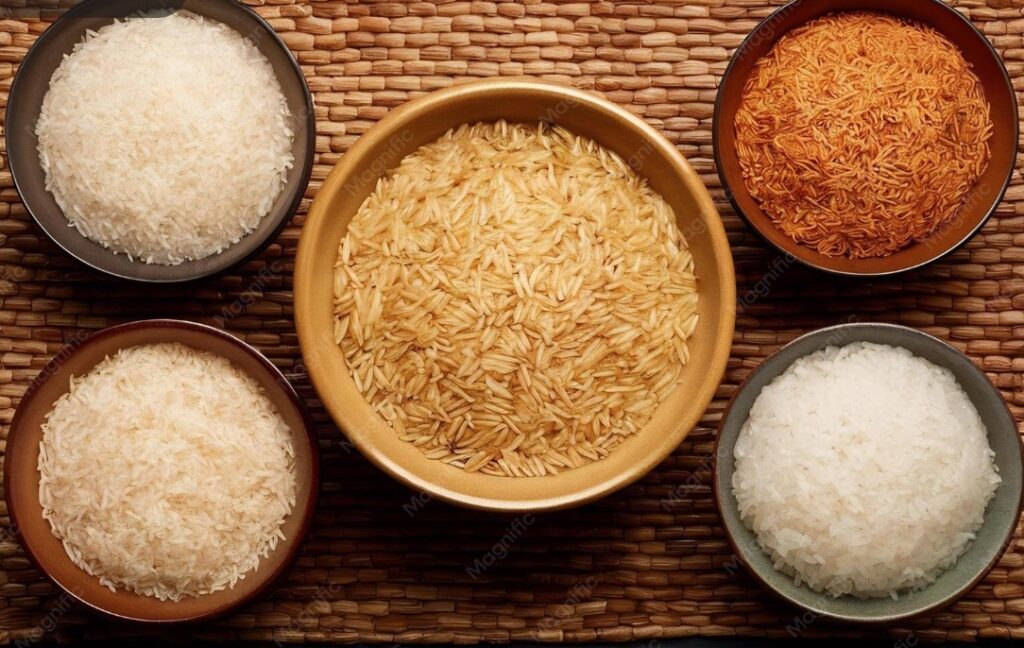
Village Masala stocks heritage Tamil Nadu rice varieties including Karuppu Kavuni (black rice) and Mapillai Samba (red rice) — ancient grains with higher nutritional value and richer flavour than modern commercial varieties. Supporting these varieties also directly supports the farmers preserving them.
How to Store and Cook Rice for Best Results
Rice storage is simple but important. Keep all varieties in airtight containers away from moisture, light, and heat. Do not refrigerate rice — the humidity changes cause quality degradation. For long-term storage, adding a few dried bay leaves to the container helps deter pests.
For cooking, the water ratio depends on the variety and method. Basmati: 1:1.5 rice to water, with a 30-minute soak beforehand. Ponni boiled rice: 1:2.5 to 1:3, no soaking needed. Seeraga samba: 1:2, 30-minute soak. For idli and dosa batter, idly rice must be soaked for 6–8 hours before grinding, as the prolonged soaking softens the grain and allows it to grind to a smooth batter that ferments correctly.