How to Make Authentic South Indian Sambar from Scratch — The Village Masala Way
Sambar is not just a dish — it is a philosophy. Every South Indian state, every district, and every grandmother has her version. The Thanjavur sambar is different from the Chettinad version; the Bangalore hotel sambar bears little resemblance to what is served in a Tamil Nadu home.
But across all these variations, the principles remain the same: the balance of toor dal and tamarind, the tempered spices that float on top, and the gentle sweetness of cooked vegetables. This recipe and guide will teach you the authentic way — the way it has been made in Tamil Nadu homes for centuries.
Choosing the Right Ingredients
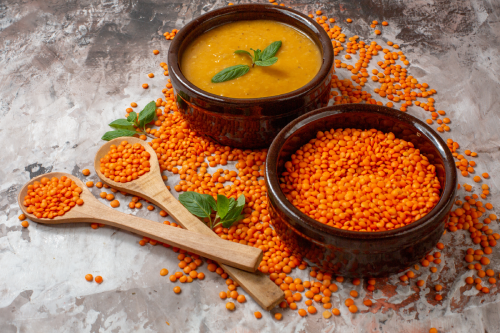
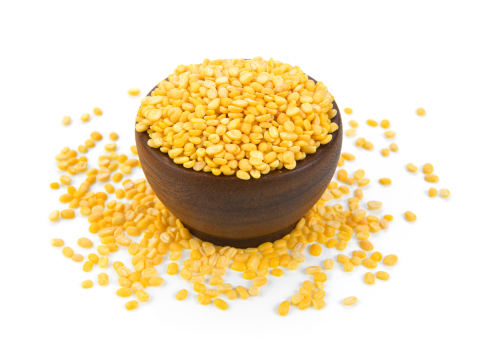
The quality of your sambar depends almost entirely on the quality of your ingredients. For the Lentils, use fresh toor dal (split pigeon peas) — older dal takes longer to cook and produces a grainier texture. At Village Masala, our toor dal is sourced from premium farms and packed fresh, so it cooks to a smooth, creamy consistency that forms the perfect sambar base.
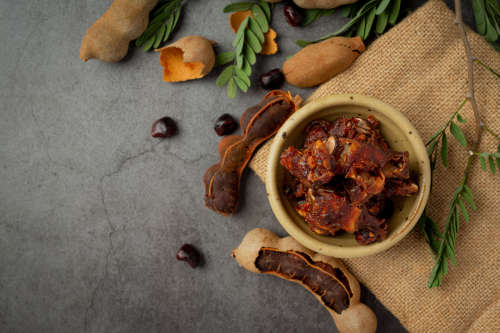
For the tamarind, use deseeded tamarind pulp rather than tamarind paste from a jar — the flavour is rounder and more complex. Soak a small ball of tamarind in warm water for 15 minutes, then extract the pulp. For the vegetables, drum sticks (murungakkai) are traditional and essential — their woody stems and tender seeds add a distinctive flavour that no other vegetable replicates. Pearl onions, tomatoes, and brinjal are also classic additions.
” The secret to perfect sambar is not a single ingredient — it is the balance. Equal parts sourness from tamarind and earthiness from toor dal, tempered with the right sambar masala at the right moment, creates a dish that is greater than the sum of its parts “
The Art of the Tempering (Tadka)
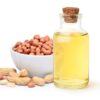
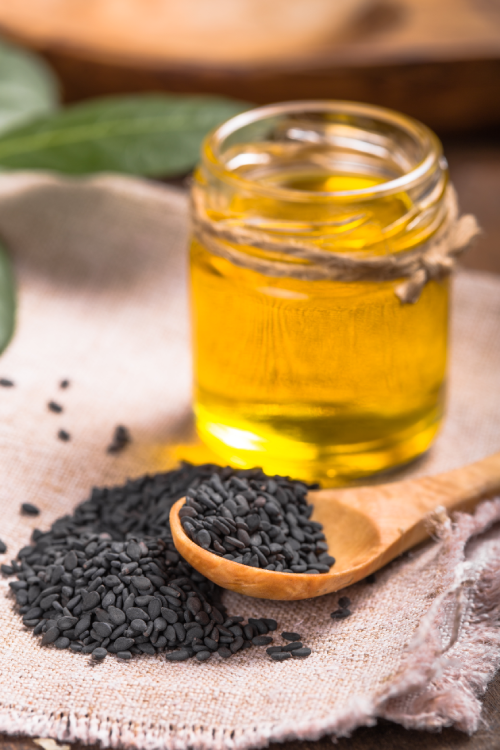
Sambar begins and ends with tempering. The opening tadka — mustard seeds, dried red chillies, curry leaves, and asafoetida in gingelly oil — defines the flavour before you add anything else. The oil must be hot enough that the mustard seeds pop within 5 seconds of adding them. Too cool, and the seeds absorb oil without releasing their volatile compounds. Too hot, and the curry leaves will burn before the mustard seeds are done.
The final tadka at the end of cooking — another round of mustard seeds, fresh curry leaves, and sometimes a dried red chilli — is what gives sambar its glossy, aromatic finish. Some cooks add a pinch of asafoetida at this final stage too, which brightens the flavour significantly. Use only gingelly oil for tempering — this is non-negotiable in authentic South Indian sambar.`,
The Village Masala – Sambar Masala Difference
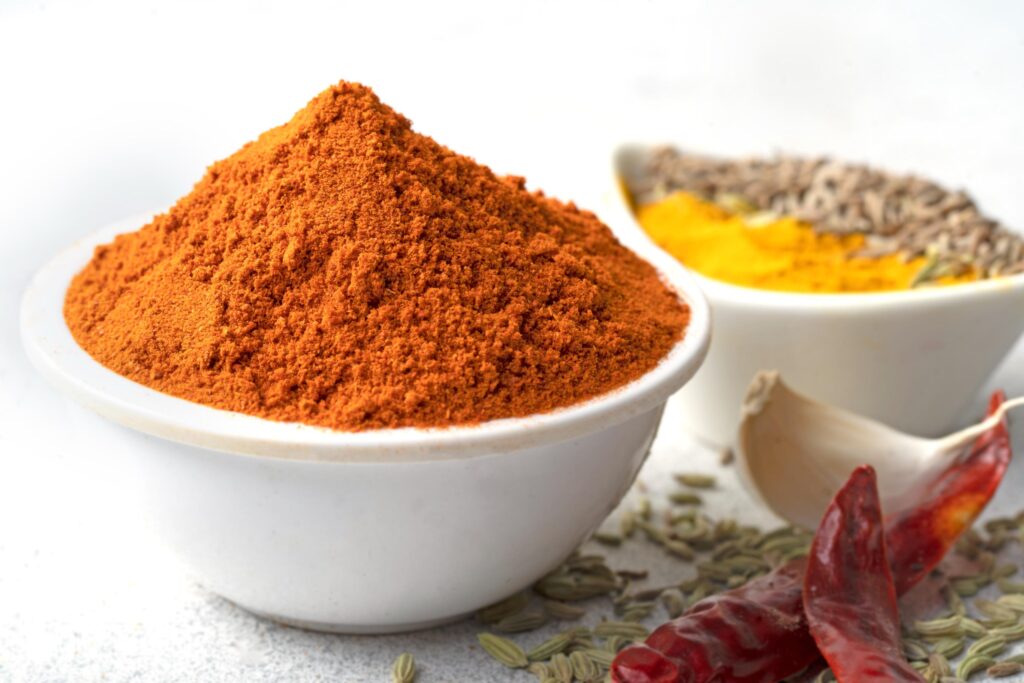
While home-ground sambar masala is the gold standard, a good ready-made sambar powder can produce excellent results — if the quality is right. Village Masala’s sambar masala is blended from whole spices including coriander, cumin, black pepper, dried red chillies, chana dal, urad dal, and curry leaves — roasted individually and ground together for a balanced, deeply aromatic powder.
Add the sambar powder once the tamarind and toor dal are combined and simmering. Never add it to the dry pan or to cold water — it needs fat and heat to bloom properly. A teaspoon per cup of dal is a good starting ratio, adjusted to your heat preference. Finish with a squeeze of fresh lemon juice and a handful of coriander leaves, and serve hot with steamed rice, idli, or crisp dosas.
Shop Toor Dal, Sambar Masala & Gingelly Oil at Village Masala