Dry Fruits and Nuts: The Nutritional Powerhouses Hidden in Your Indian Pantry
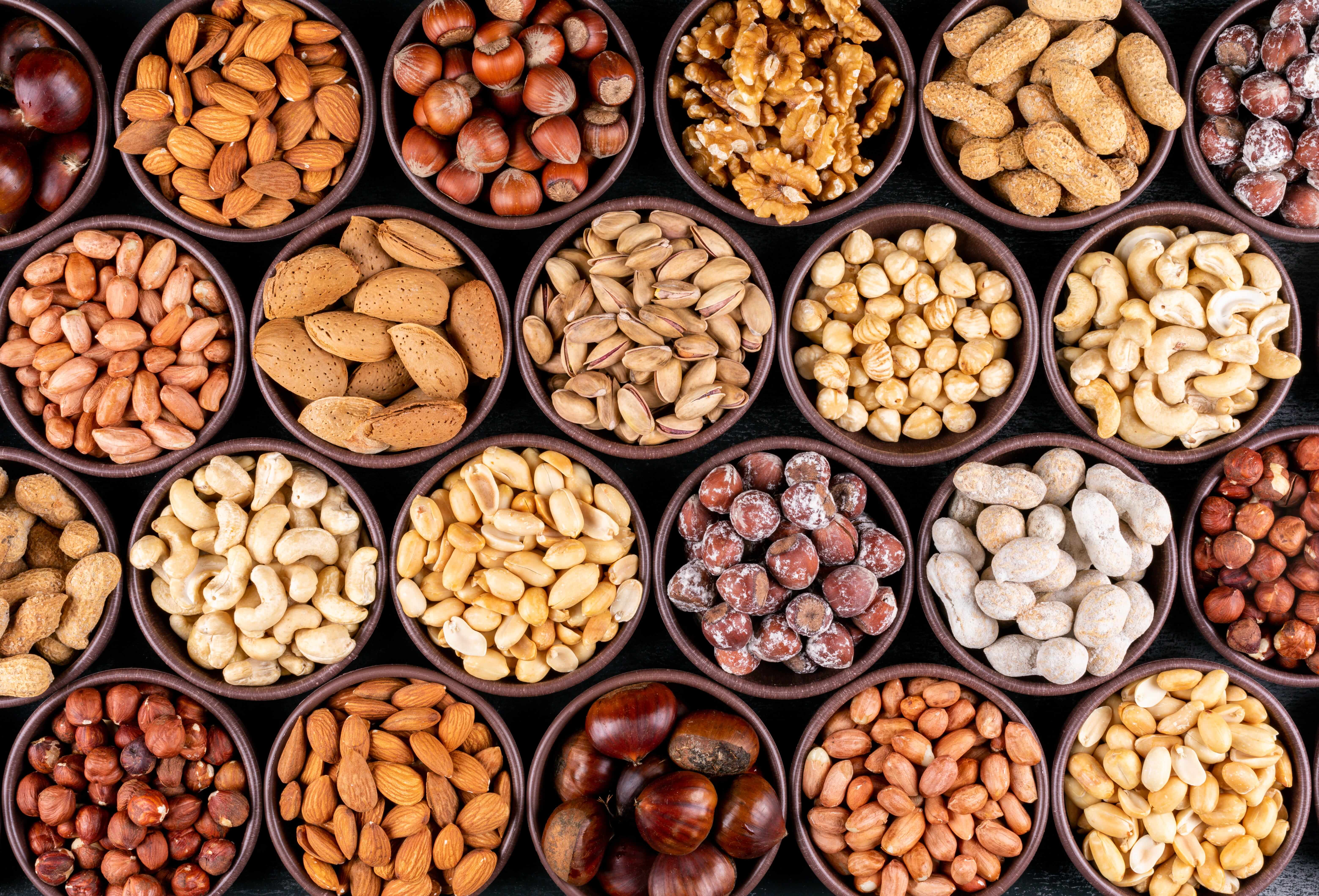
In Indian households, dry fruits appear in two contexts: as expensive gifts during Deepavali, and as secret ingredients in the kitchen. Both are valid — but the second deserves more attention. Almonds, cashews, walnuts, raisins, dates, and phool makhana are nutritional powerhouses that can be incorporated into daily cooking, snacking, and even children’s meals without anyone feeling they are eating “health food.” At Village Masala, we source premium dry fruits and nuts with the same care we apply to our spices — freshness and quality are non-negotiable.
The Big Five: Almonds, Cashews, Walnuts, Dates, and Raisins
Almonds are the most studied nut in nutrition science — rich in Vitamin E, magnesium, and monounsaturated fats, they have been shown to reduce LDL cholesterol and improve blood sugar control. A small handful (about 23 almonds) daily is the amount most research uses. Soak them overnight in water before eating for improved digestibility and nutrient absorption — this is the traditional Indian practice, not new-age wellness advice.
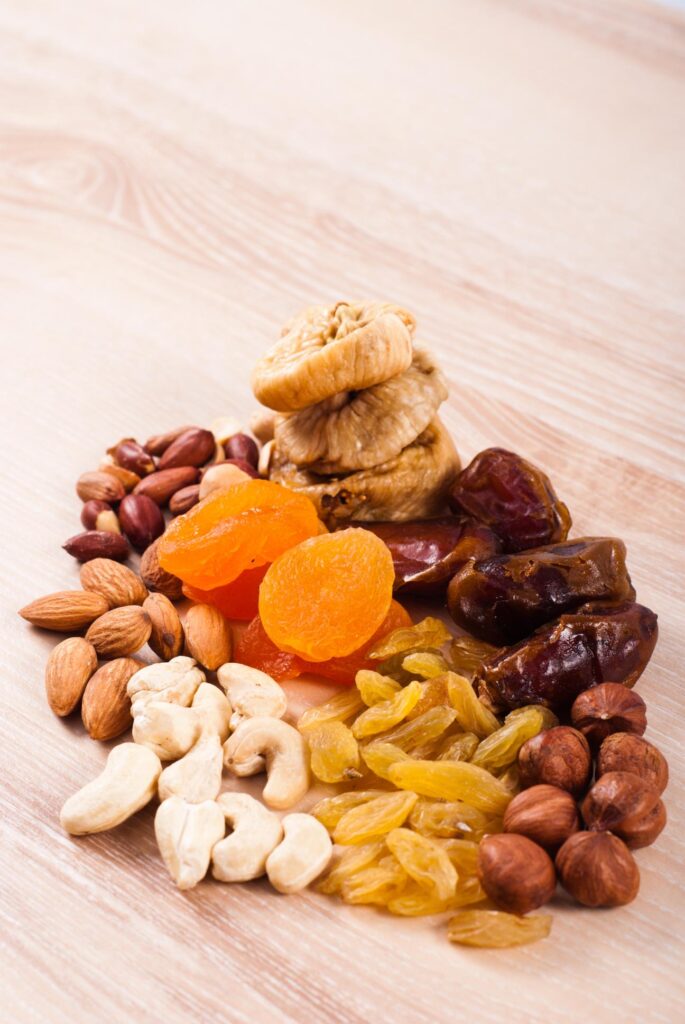
Cashews are remarkably high in iron and zinc — nutrients often deficient in vegetarian diets. They are also an excellent plant-based source of copper, which supports immune function and bone health. Walnuts are the only nut with significant amounts of ALA omega-3 fatty acids — a small handful provides more anti-inflammatory omega-3s than most people get in a day. Dates are nature’s perfect natural sweetener — high in fibre, potassium, and magnesium, they provide energy without the blood sugar spike of refined sugar. Raisins are concentrated sources of iron, especially the dark black raisins — beneficial for preventing iron-deficiency anaemia.

Phool Makhana, Chia Seeds, and the Superfood Additions
Beyond the familiar five, the Indian pantry includes several less-celebrated nutritional superstars. Phool makhana (fox nuts or lotus seeds) are one of India’s oldest snack foods — low calorie, high protein, and rich in magnesium, potassium, and antioxidants. Roasted in ghee with a pinch of salt and black pepper, they are one of the most nutritionally perfect snacks available anywhere.
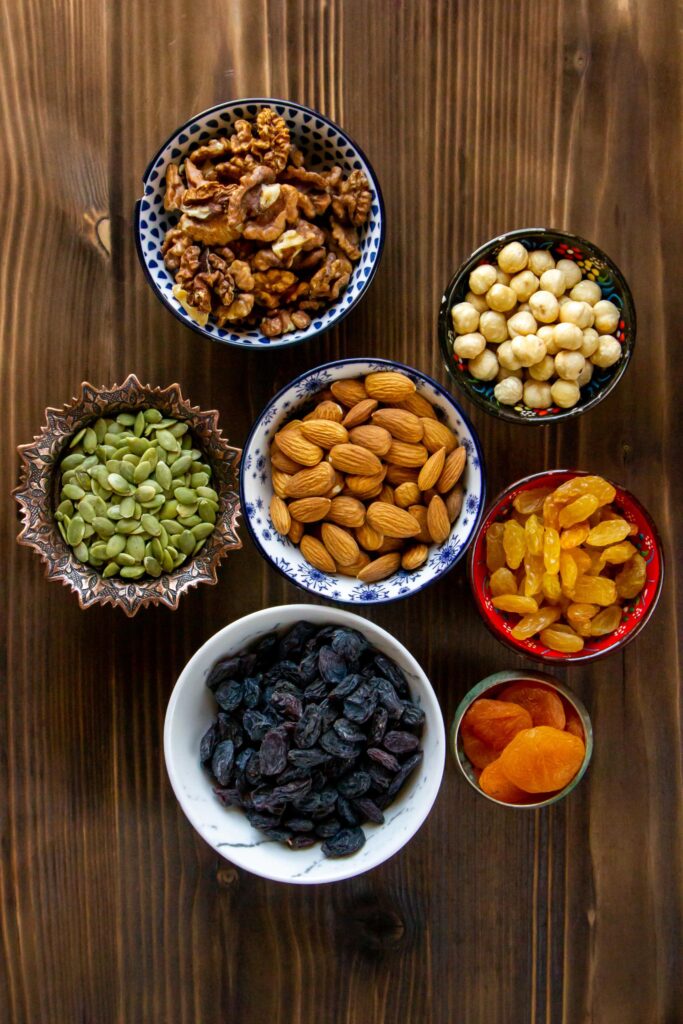
Chia seeds and pumpkin seeds are newer additions to the Indian dry fruit pantry but have been adopted quickly because of their extraordinary nutritional profiles. Chia seeds provide both soluble fibre (excellent for gut health) and ALA omega-3 fatty acids. Pumpkin seeds are exceptionally high in zinc — a single 30g serving provides over 50% of the recommended daily intake, making them especially valuable for men’s health and immunity.
How to Incorporate Dry Fruits Into Everyday Meals
The simplest way to increase dry fruit intake is to add a small handful of mixed nuts to your morning meal — with porridge, with yoghurt, or simply as a mid-morning snack to replace processed foods. For children, a small bag of mixed nuts, raisins, and makhana is a far more nutritious school snack than anything in a crisp packet.
In cooking, dry fruits add texture and flavour in ways that are difficult to replicate. Cashews in korma or white kurma provide a creamy, nutty richness. Raisins in pulao add sweetness that balances the spices. Dates blended into smoothies replace sugar while adding fibre. Almonds ground into a paste form the base of shahi korma and badam halwa. These are not optional additions — they are integral to the dishes they appear in.
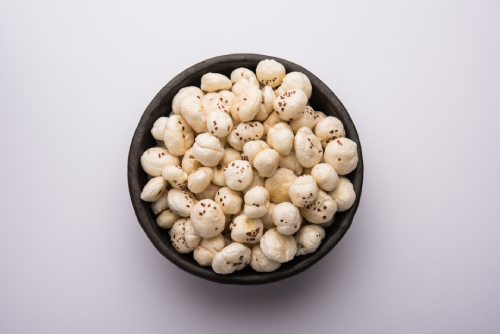
Phool makhana (fox nuts) are one of India’s oldest superfoods — consumed for centuries in Ayurvedic medicine and during religious fasting. Modern nutritional analysis confirms their value: high protein, low fat, low glycaemic index, and rich in magnesium and potassium.