Cooking with Millets: India’s Ancient Grains Making a Modern Comeback
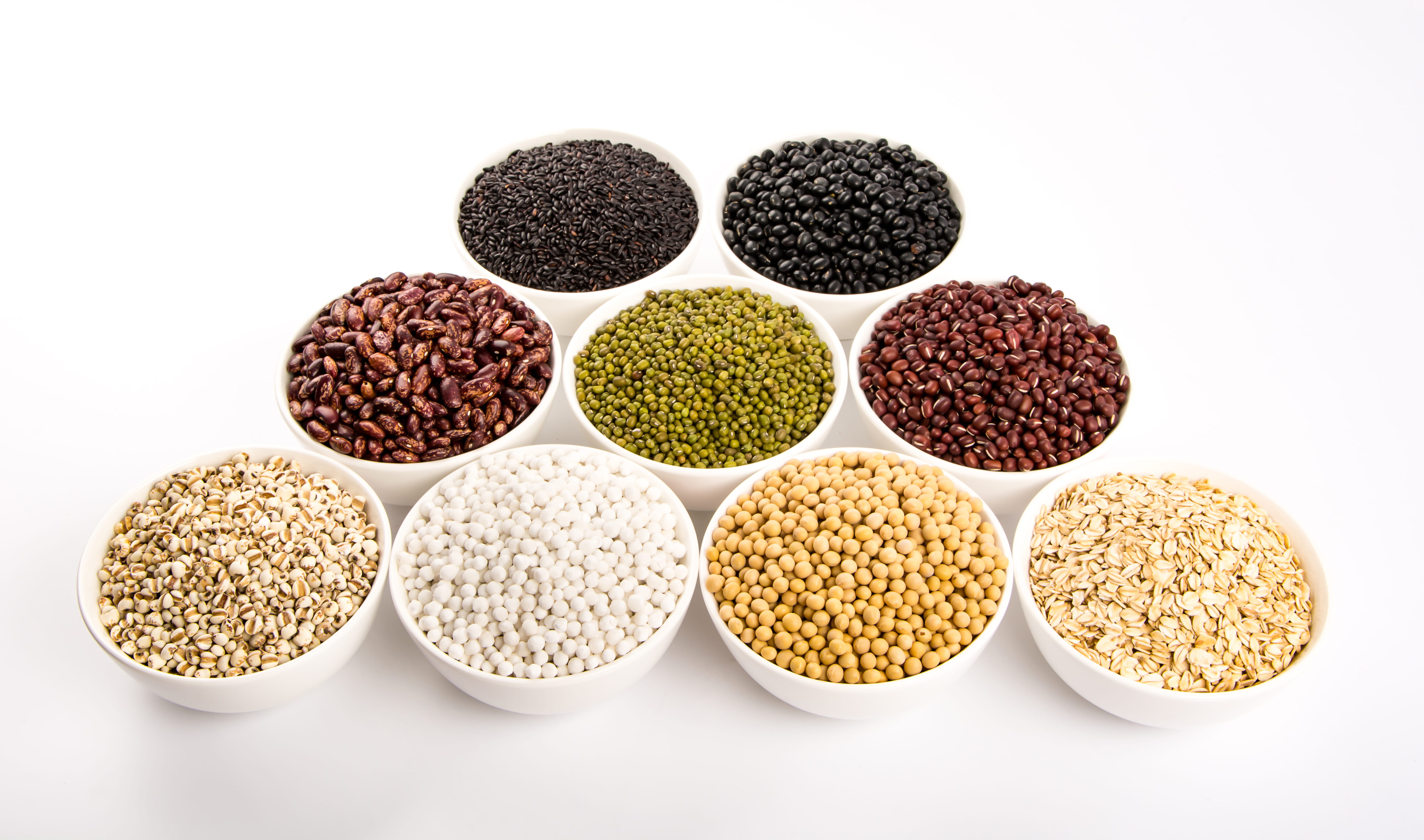
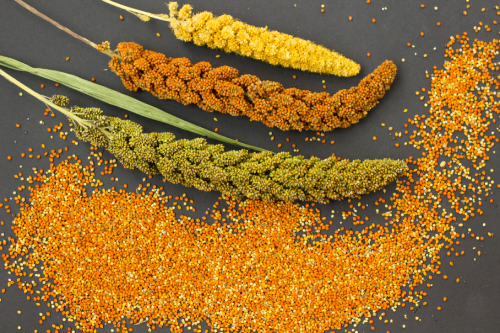
Before rice and wheat dominated the Indian plate, millets fed the subcontinent for thousands of years. Ragi (finger millet), bajra (pearl millet), jowar (sorghum), kodo millet, and foxtail millet were the staples of rural India — grown in poor soil with minimal water, providing exceptional nutrition to communities across the country. Then came the Green Revolution, and millets were pushed aside in favour of high-yield rice and wheat. Now, driven by health awareness, climate concerns, and a rediscovery of their nutritional value, millets are staging a powerful comeback. At Village Masala, we are proud to be part of this revival.
The Nutritional Case for Millets
Millets are nutritionally superior to polished rice and refined wheat flour in almost every dimension. Finger millet (ragi) has the highest calcium content of any grain — more than milk by weight — making it particularly valuable for vegetarians, the elderly, and children whose bones are still developing. It is also high in dietary fibre and has a lower glycaemic index than rice, making it an excellent choice for those managing blood sugar.
Pearl millet (bajra) is exceptionally high in iron and zinc — a critical combination for preventing anaemia and supporting immune function. Kodo millet is one of the highest-fibre grains available and has been studied for its potential to lower blood lipid levels. All millets are naturally gluten-free, making them important alternatives for those with coeliac disease or gluten sensitivity.
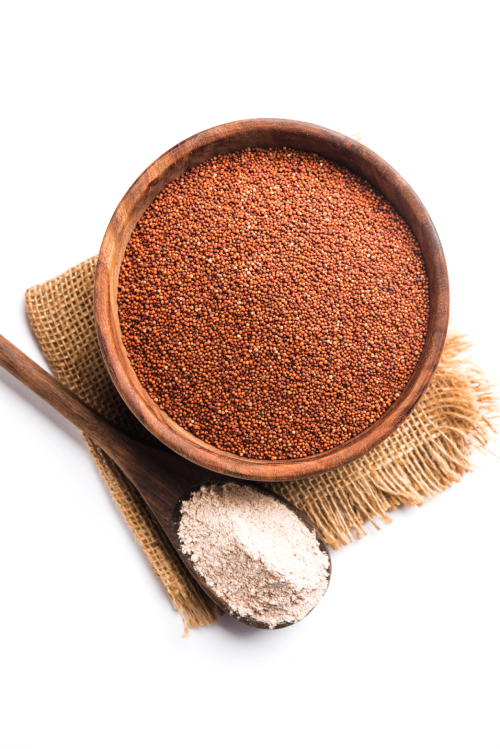
Finger millet (ragi) contains more calcium than any other grain — including brown rice, wheat, and oats — and is one of the few non-dairy, non-animal sources of calcium that is also easily absorbed by the body. It has been used for centuries in South India for weaning children and strengthening elderly bones.
How to Cook with Millets: Practical Guide
The simplest way to start cooking with millets is to replace rice with millet in familiar dishes. Ragi mudde (ragi balls) is a traditional Karnataka dish — ragi flour cooked in boiling water until it forms a stiff, smooth ball, served with sambar or rasam. It is one of the most nutritionally complete single-dish meals available.
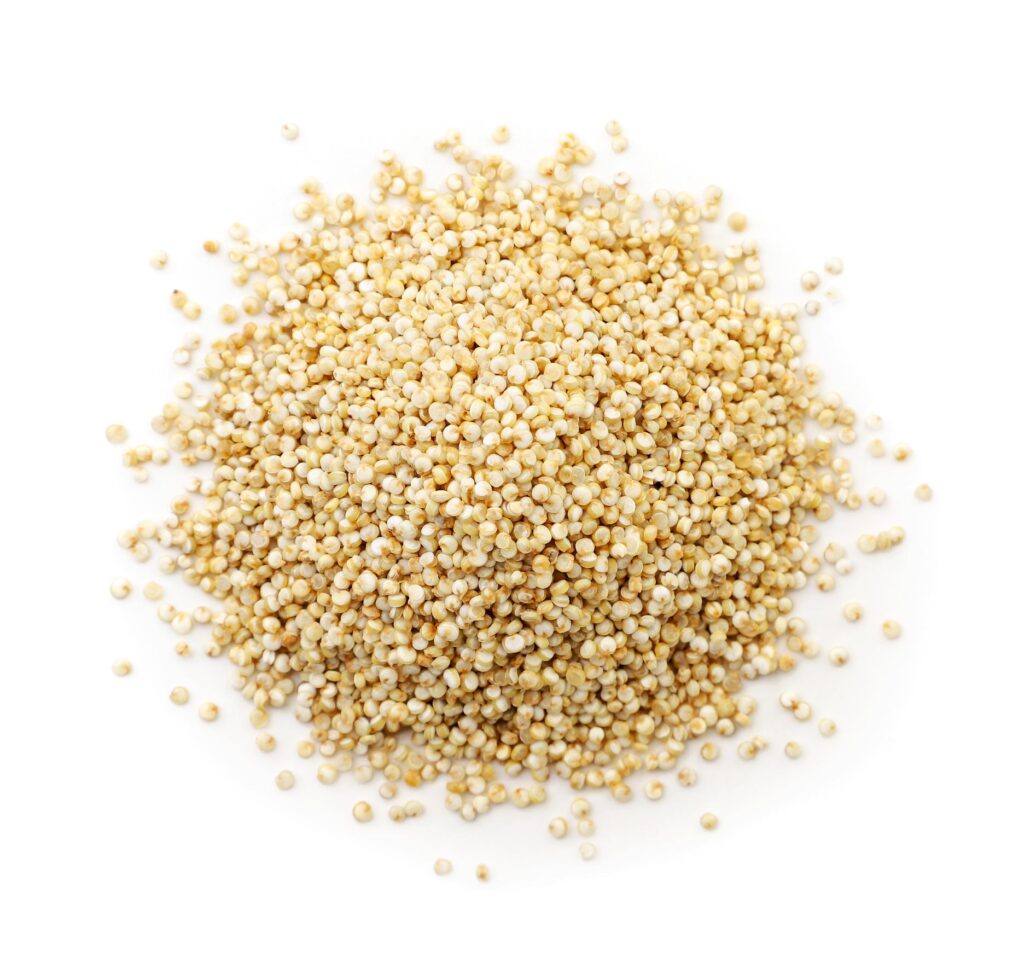
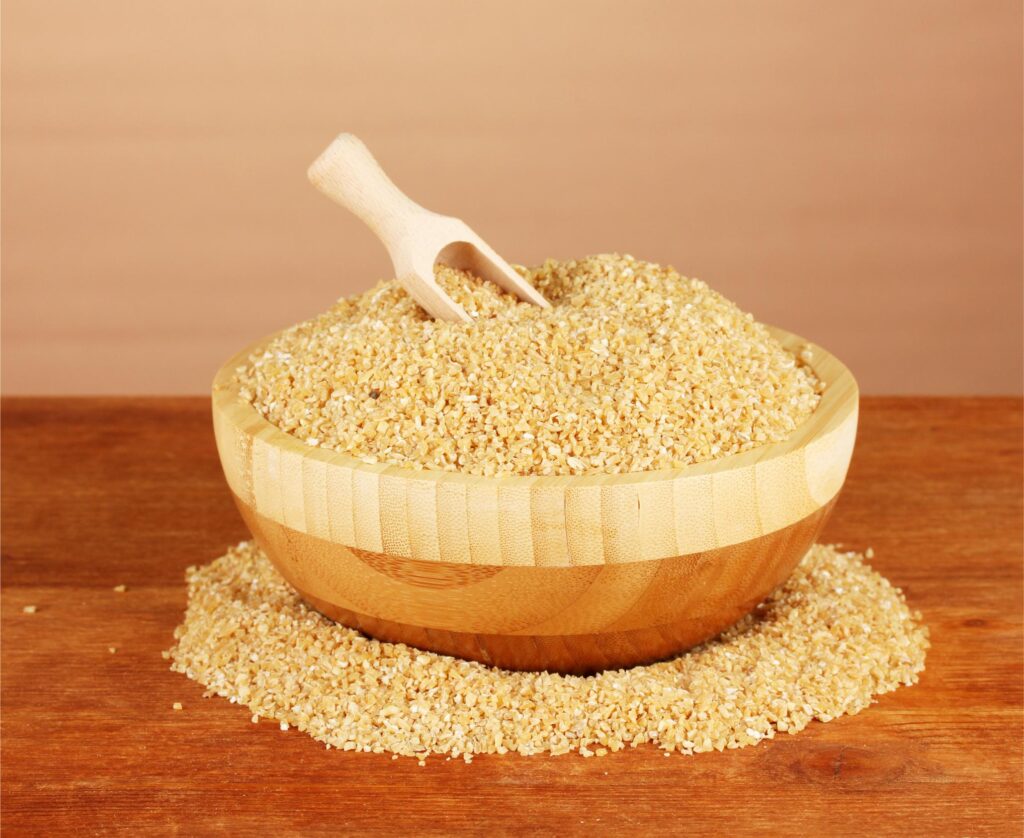
Kodo millet can replace rice in pongal and upma with almost no change to the recipe — it has a mild, nutty flavour that works beautifully with the cumin and black pepper used in these dishes. Pearl millet (bajra) roti is a staple of Rajasthan — earthy, satisfying, and extraordinarily nutritious. Ragi flour can replace a portion of wheat flour in rotis and parathas, starting with a 30% ragi-to-70% wheat ratio and adjusting to taste. Village Masala’s Village Masala Health Mix is a ready-blended multi-grain flour incorporating ragi and other millets — the easiest way to start adding these grains to your daily meals.
Millets and Climate: Why Choosing Millets Matters
The environmental argument for millets is as compelling as the nutritional one. Rice requires approximately 1,200–2,000 litres of water per kilogram of grain. Millets require 300–500 litres — three to six times less. In a world facing increasing water scarcity and climate disruption, choosing millets over rice is one of the most meaningful food choices an individual can make for the planet.
Millets also grow in poor soil without fertilisers, have a shorter growing cycle, and support traditional farming systems that are more biodiverse and resilient than industrial rice or wheat monocultures. When you choose millet products from Village Masala, you are directly supporting the farmers growing these climate-resilient crops and contributing to the revival of a more sustainable Indian food system.