The Health Benefits of Turmeric: Science Behind India’s Golden Spice
Turmeric has been grown in India for over 4,000 years. Long before it appeared in Western smoothie bars and health supplements, it was a staple of Indian cooking, a medicine in Ayurveda, and a sacred element in Hindu rituals. Today, curcumin — the active compound in turmeric — is one of the most researched phytochemicals in the world. At Village Masala, we source our turmeric from Erode in Tamil Nadu, known as the “Turmeric City of the World,” where the richest, most curcumin-dense turmeric is grown.
What the Research Says About Curcumin
Curcumin, the primary bioactive compound in turmeric, has been studied extensively for its anti-inflammatory, antioxidant, and neuroprotective properties. Research published in peer-reviewed journals has found that curcumin can inhibit multiple molecules involved in inflammation — and chronic inflammation is now understood to be a driver of most major diseases, from heart disease to type 2 diabetes to Alzheimer’s.
However, there is a critical caveat that most turmeric marketing glosses over: curcumin is poorly absorbed by the human body on its own. The ancient Indian practice of cooking turmeric with black pepper is not coincidental — piperine, the active compound in black pepper, increases curcumin absorption by up to 2,000%. Fat further enhances absorption. This means that turmeric cooked in oil with black pepper — as in almost every Indian curry — is far more bioavailable than a turmeric shot in cold water.
“Cooking turmeric with black pepper and fat increases curcumin absorption by up to 2,000%. Indian cuisine has known this for millennia — every turmeric-containing curry also contains black pepper and cooking oil. This is nutritional wisdom encoded in food culture.”
How to Get More Turmeric Into Your Daily Cooking
The simplest and most effective way to consume turmeric is as generations of Indians have always done — as an integral part of everyday cooking. Add a teaspoon to your dal before it cooks. Add half a teaspoon to rice while it boils. Add it to scrambled eggs, roasted vegetables, soups, and curries. The key is daily, low-dose consumption over time — not occasional mega-doses in smoothies.
Golden milk (turmeric milk or haldi doodh) is the simplest traditional remedy: warm full-fat milk with half a teaspoon of turmeric, a pinch of black pepper, and a small amount of honey or jaggery. Drunk before bed, it has been used in Indian households for centuries to support immunity, improve sleep, and reduce joint inflammation. Modern research increasingly validates this practice.
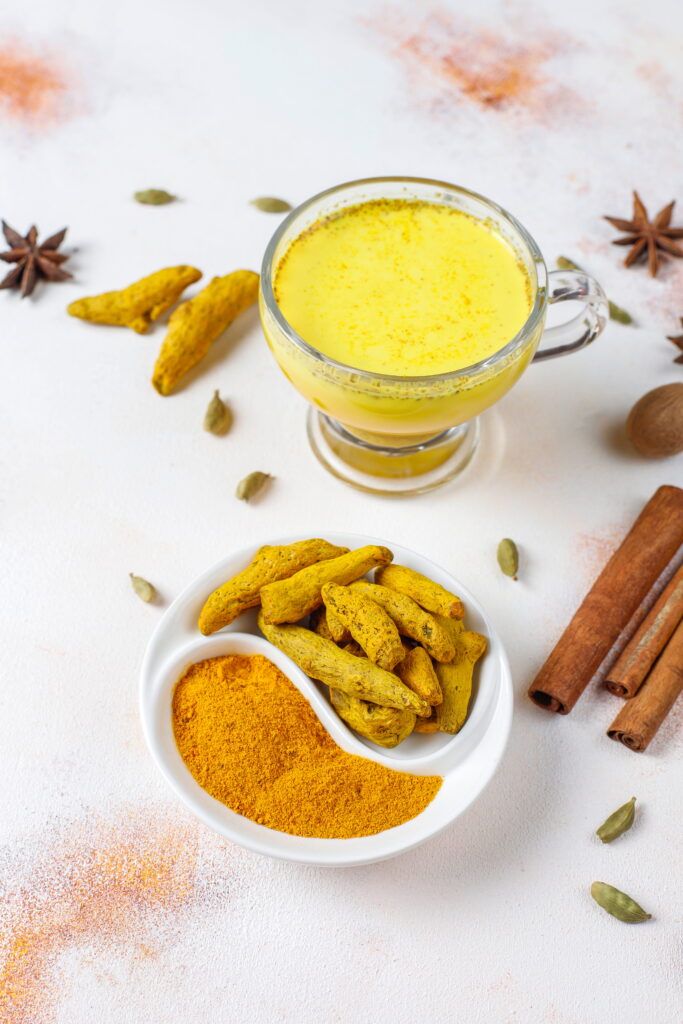
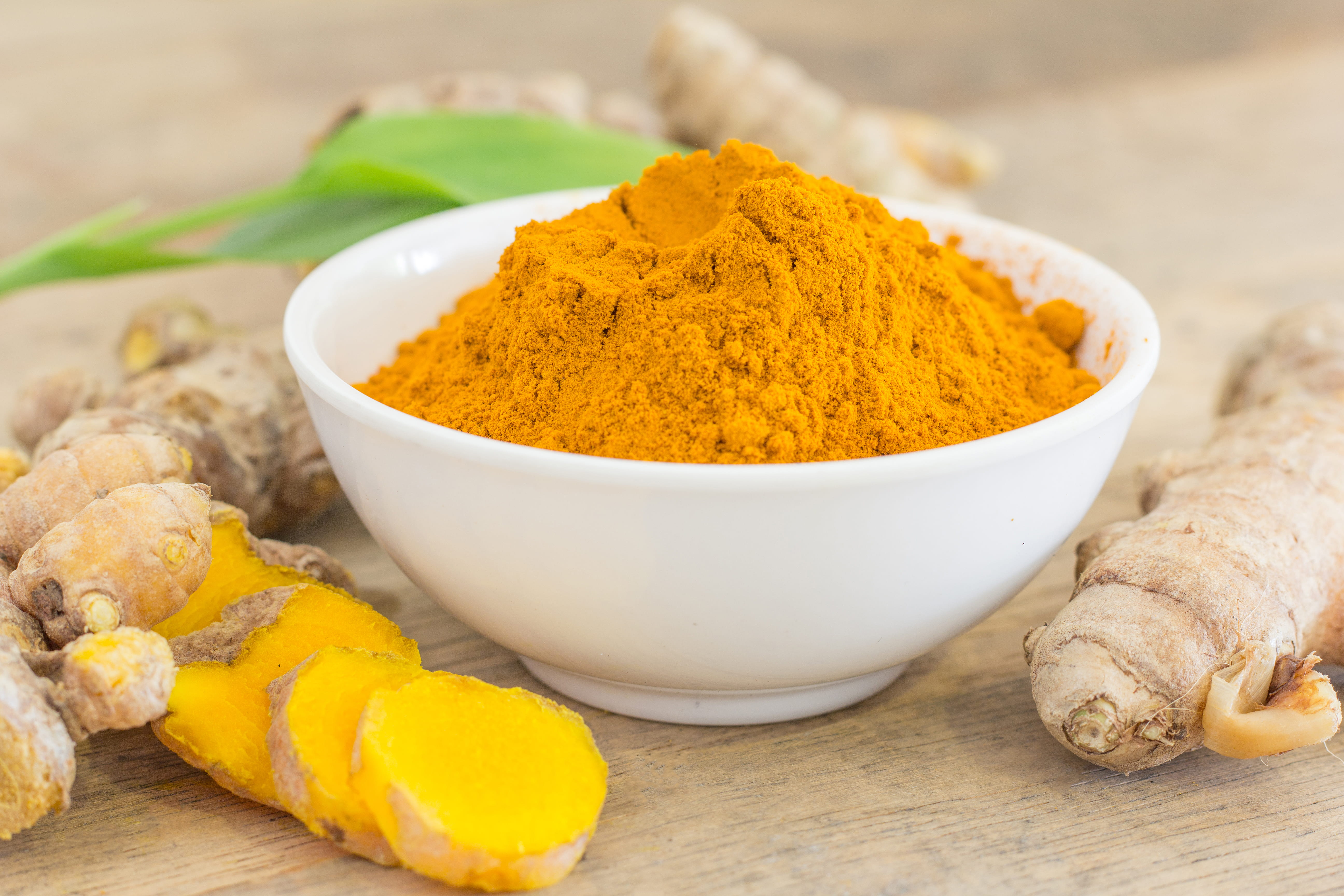
Village Masala’s turmeric powder is sourced from Erode, Tamil Nadu — the world’s largest turmeric-producing region, known for producing turmeric with curcumin content up to 3.5%, compared to the global average of 2-3%
Why Quality and Freshness Matter in Turmeric
Not all turmeric powder is equal. The curcumin content of turmeric varies significantly by variety and growing region. Erode turmeric consistently produces among the highest curcumin content in the world. But curcumin is also sensitive to light, heat, and time — turmeric powder that has sat in a warehouse for 18 months has significantly lower curcumin content than freshly processed powder.
Adulteration is also a real concern in the global spice trade — metanil yellow, a toxic artificial dye, has been found in turmeric powder from low-quality sources. Village Masala sources only from verified, trusted farms in Erode, with quality checks for colour, aroma, and purity before packing. When you open a jar of Village Masala turmeric, the deep golden-orange colour and rich, earthy aroma tell you immediately that this is the real product.