The Complete Guide to Indian Lentils: Which Dal to Use and When
Walk into an Indian grocery store and you will find an entire wall dedicated to lentils and pulses — split and whole, skinned and unskinned, yellow and green and black and red. For the uninitiated, this variety can be bewildering. For the experienced Indian cook, it is one of the greatest advantages of the cuisine — because different lentils produce genuinely different textures, flavours, and nutritional profiles. This guide walks through the most important dals in the Indian kitchen and tells you exactly when and how to use each one.
The Essential Indian Dals and Their Uses
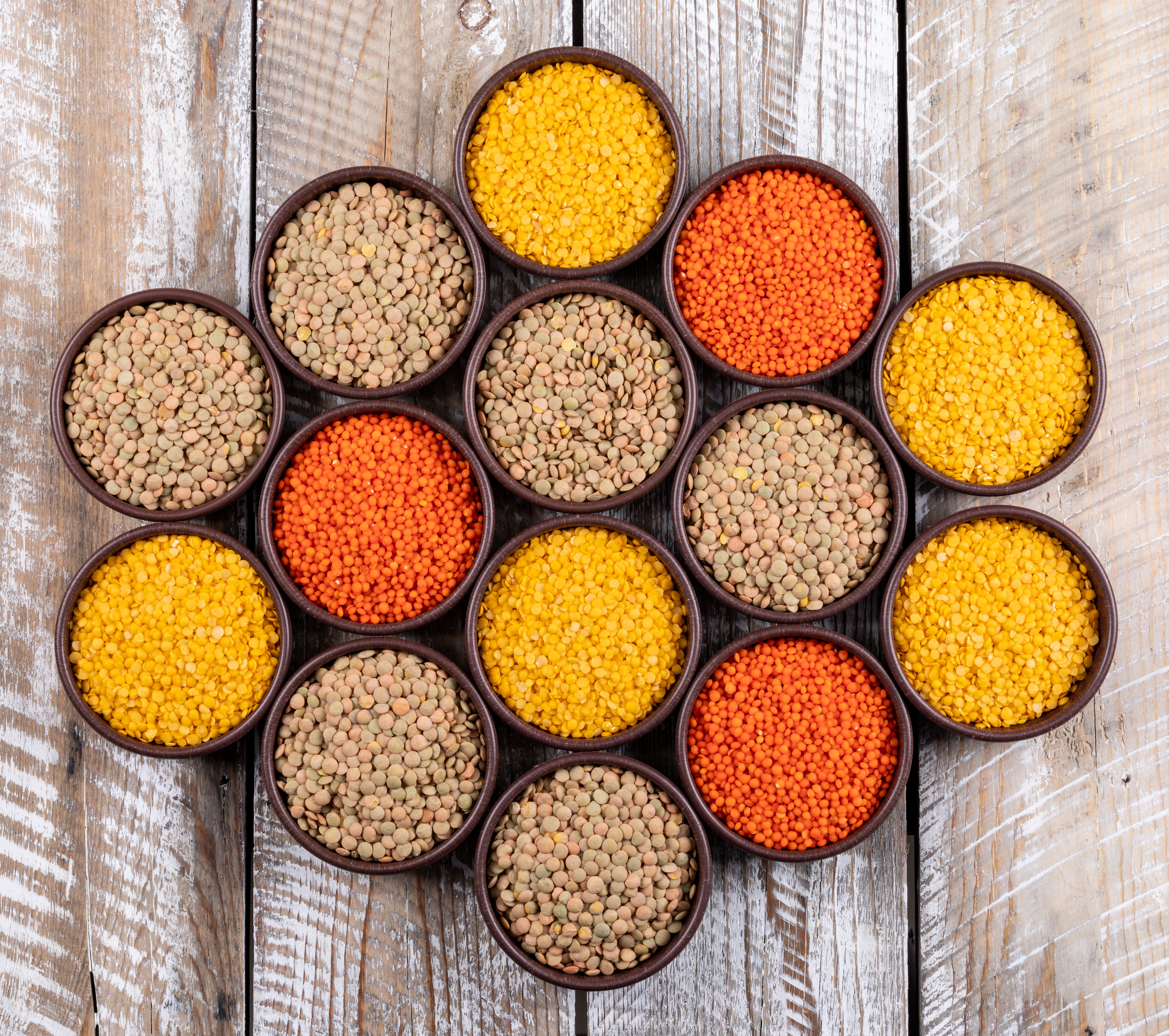
Toor dal (split pigeon peas) is the most widely used dal in South India — the basis of sambar, dal tadka, and plain dal rice. It cooks to a smooth, slightly thick consistency and has a mild, earthy flavour that absorbs spices beautifully.
Moong dal (split green gram) is the lightest and most easily digestible — ideal for the sick, elderly, children, and anyone whose digestive system needs a rest. Yellow moong dal khichdi is one of India’s original comfort foods. Whole moong (green gram) is used for sprouts, curries, and the South Indian payasam.
Chana dal (split Bengal gram) has a nuttier, firmer texture and does not disintegrate as easily as toor or moong. It is used in dal preparations, in the tempering of chutneys and sambar, and in traditional sweets like chana dal payasam.
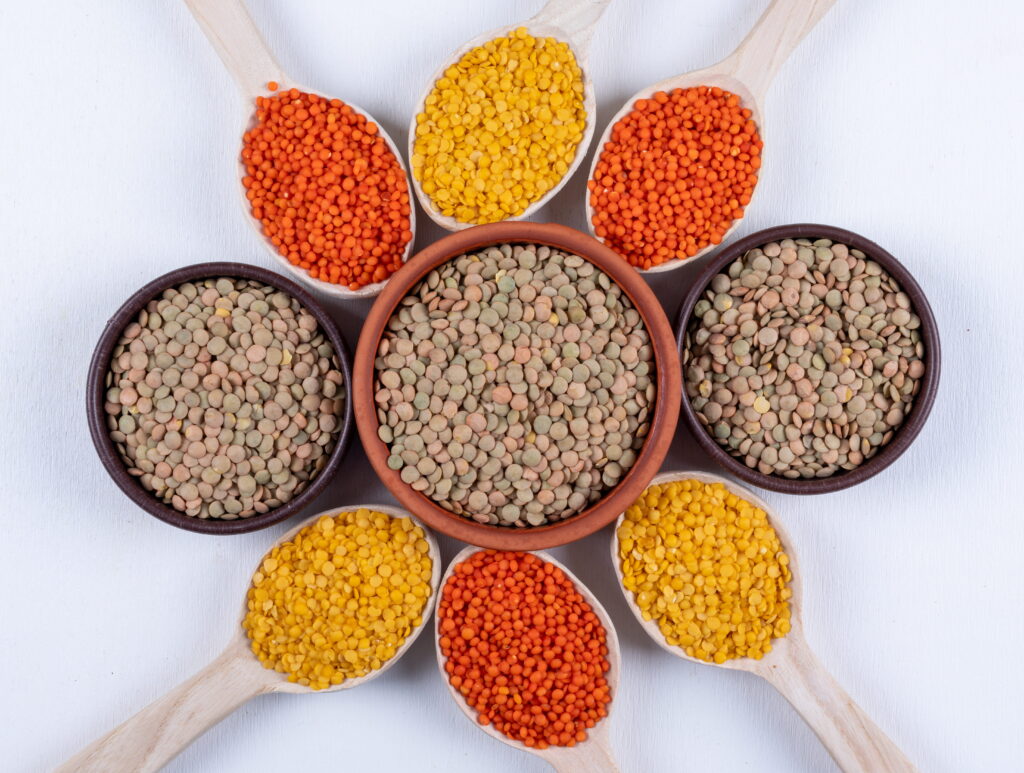
Masoor dal (red lentil) cooks fastest of all — ideal for quick weeknight dals. It has a slightly sweet, earthy flavour and turns yellow when cooked. Urad dal (black lentil) is essential for South Indian cooking — it is the lentil in idli and dosa batter, in papad, and in dal makhani.
” Indian lentils are among the world’s richest plant-based protein sources. A single cup of cooked toor dal provides 17g of protein — and when combined with rice, forms a complete protein with all essential amino acids. This is the nutritional intelligence behind dal-chawal “
Whole Pulses: The Heartier Choice
Beyond split dals, whole pulses bring a heartier texture and more complex flavour to Indian cooking. Kabuli chana (chickpeas) is the base of chole — the North Indian chickpea curry that is one of India’s most beloved dishes. Rajma (kidney beans) makes the creamy, deeply spiced Punjabi rajma that is comfort food for an entire region.
Whole urad (black urad dal with skin) is the key ingredient in dal makhani — cooked slowly for hours with butter and cream until it reaches a glossy, luxurious consistency. White peas (white vatana) are used in Maharashtrian ragda and Tamil Nadu’s kadala curry. At Village Masala, all of these are sourced from premium farms, cleaned, and packed in multiple sizes to suit both everyday cooking and larger family meals.
How to Store Lentils for Maximum Shelf Life
Lentils are one of the most shelf-stable foods in the Indian pantry — but they do need proper storage to maintain quality. Keep all dals in airtight containers in a cool, dark place. Avoid refrigerating whole pulses — the condensation from daily temperature changes can encourage mould. Ground lentil flour (like urad dal flour for idli batter) should be used within a month of grinding.
For best cooking results, always rinse dal thoroughly before cooking to remove surface starch and any dust from transit. Soaking whole pulses for 8–12 hours before cooking dramatically reduces cooking time and improves texture. Pressure-cooking dal gives the fastest, most consistent results — if you do not own a pressure cooker, an Instant Pot or heavy-bottomed pot with enough time works well too.