Jaggery vs Sugar: Why Indian Kitchens Are Switching Back to Jaggery
For most of India’s culinary history, jaggery was the sweetener. White sugar came later — a product of industrialisation and Western food systems. In the last decade, the conversation has come full circle. Health-conscious cooks, nutritionists, and food scientists are rediscovering what Indian grandmothers already knew: jaggery is not just a sweetener, it is a whole food. And at Village Masala, we bring you both sugercane jaggery and the rarer, more complex palm jaggery — sourced from traditional producers across Tamil Nadu.
The Nutritional Case for Jaggery
White sugar is pure sucrose — stripped of every mineral, vitamin, and trace compound during processing. Jaggery retains iron, magnesium, potassium, and calcium from the original sugarcane or palm sap. It also contains small amounts of B vitamins and antioxidants. Gram for gram, jaggery has a similar calorie count to sugar — but its lower glycaemic index means it causes a slower, steadier rise in blood sugar compared to refined sugar.
For people managing their sugar intake, replacing refined sugar with jaggery in recipes is a meaningful upgrade. It works in tea, coffee, Indian sweets like payasam and pongal, and even in savoury dishes like sambar and rasam where a small piece of jaggery provides a background sweetness that balances the tamarind.
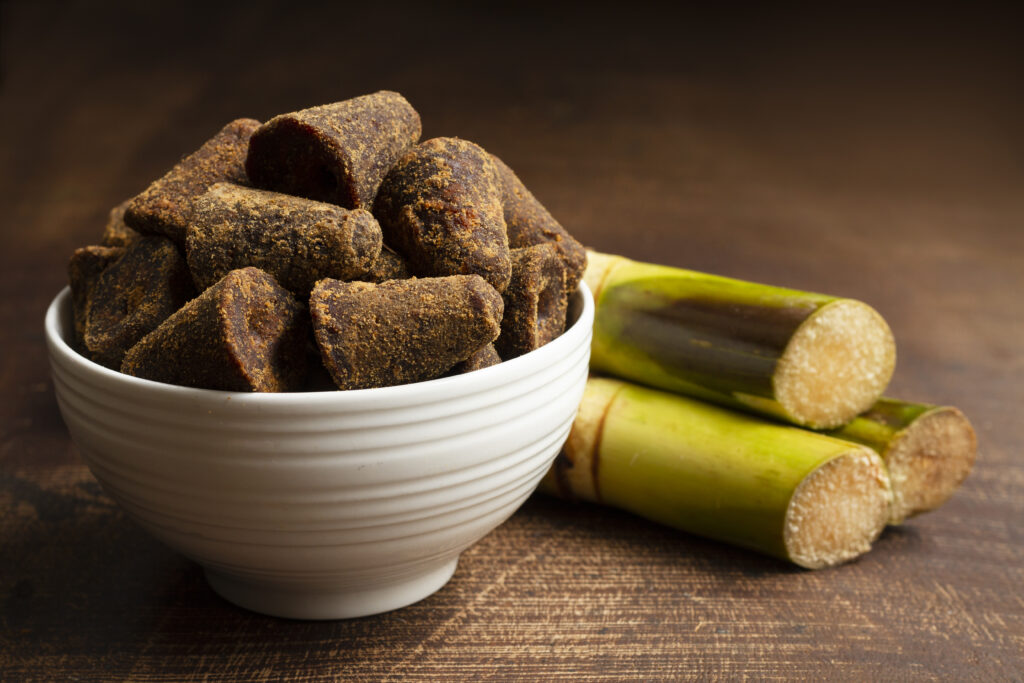
“Jaggery contains iron, magnesium, and antioxidants that are entirely absent from refined white sugar. One tablespoon of jaggery provides about 11% of your daily iron requirement — making it especially valuable for women “
Palm Jaggery vs Sugarcane Jaggery — What’s the Difference?
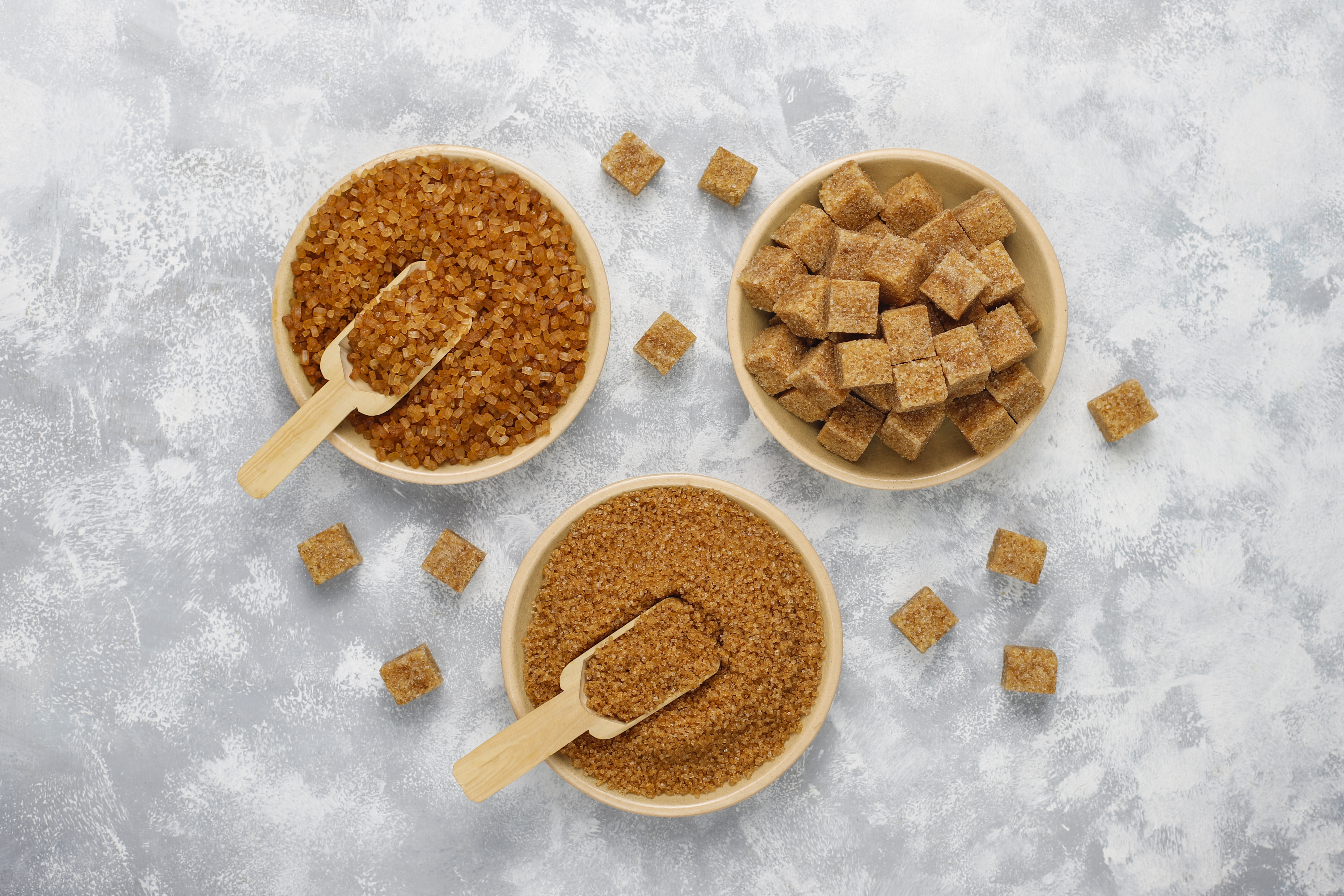
Sugarcane jaggery (known in Tamil Nadu as vellam) is the most common form — golden to dark brown, with a rich, molasses-forward sweetness. It is the everyday jaggery used in cooking, pickling, and sweet-making.
Palm jaggery (karupatti) is made from the sap of the palmyra palm and is darker, denser, and more complex in flavour — with a mild smokiness and mineral earthiness that sugarcane jaggery lacks. It is considered medicinally superior in traditional Ayurvedic and Siddha medicine, and is used in traditional tonics, herbal drinks, and festival sweets. Village Masala stocks both varieties, and also offers urundai vellam — traditional hand-rolled jaggery balls that are a beloved part of South Indian food culture.
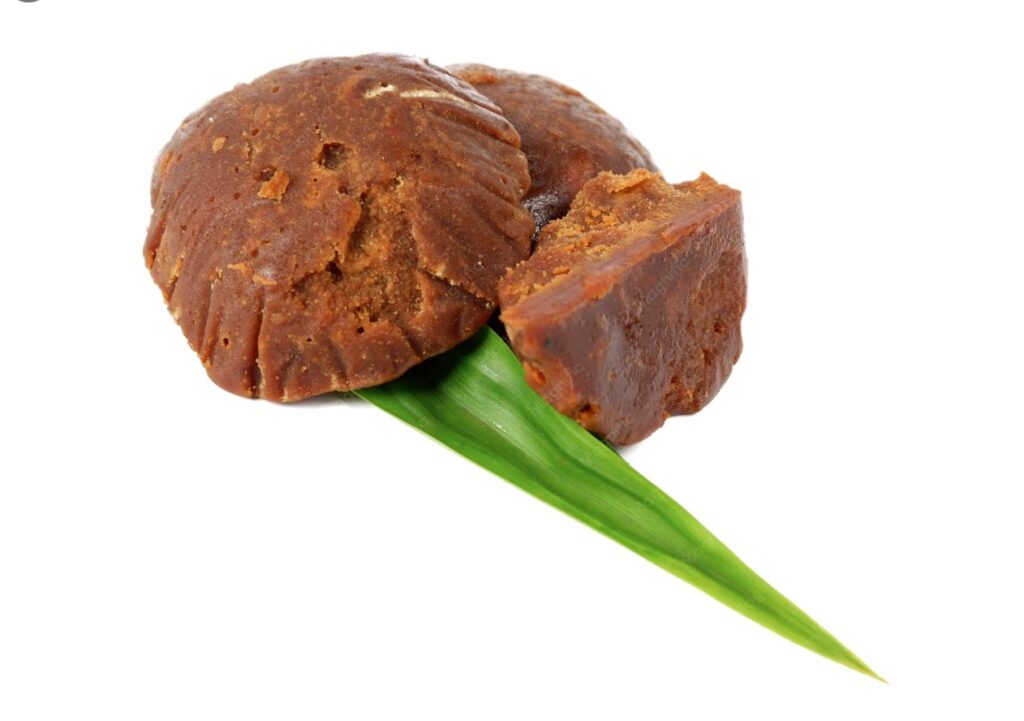
” Palm jaggery (karupatti) is considered one of the healthiest traditional sweeteners in Ayurvedic medicine — it supports digestion, provides sustained energy, and contains a richer mineral profile than any refined sugar “
How to Cook with Jaggery: Simple Swaps for Everyday Recipes
Substituting jaggery for sugar is straightforward in most Indian recipes. Use the same quantity by weight, though jaggery is slightly less sweet than white sugar — you may want to add 10–15% more to match the sweetness level. Always dissolve jaggery in a small amount of warm water first to remove any impurities and create a smooth jaggery syrup before adding it to your dish.
For tea and coffee, simply replace your usual sugar with a small piece of jaggery — it dissolves quickly in hot liquid and adds a pleasant depth of flavour. For kheer, payasam, or halwa, jaggery adds a caramel complexity that white sugar simply cannot provide. Even a simple lemon water sweetened with a pinch of jaggery tastes better — and is significantly more nourishing.